
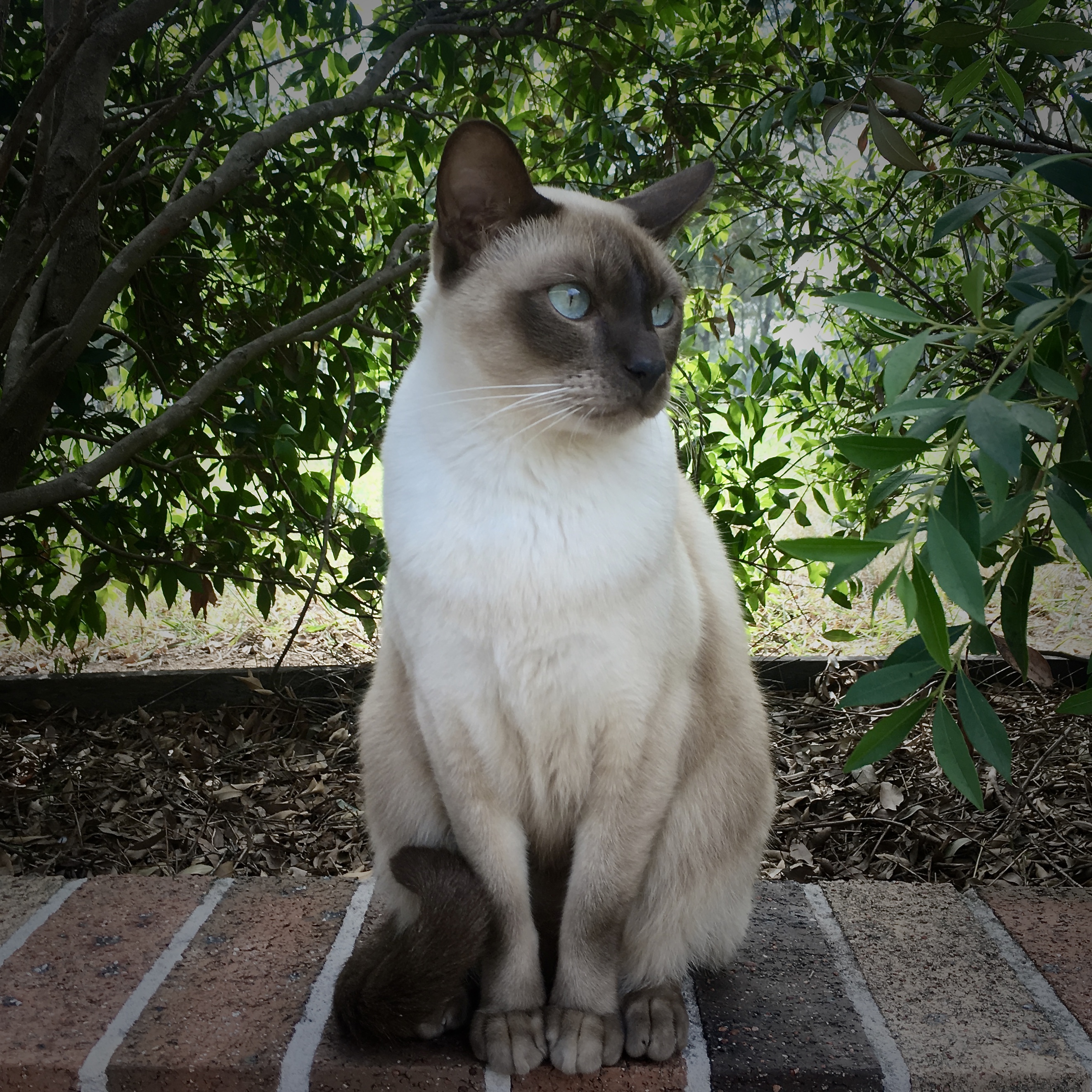
Side-by-side breed comparison
Persian
Cat- Size
- Medium-Large
- Weight
- 3-5 kg
- Lifespan
- 12-17 years
- Origin
- Iran/Persia
- Coat
- Long flowing coat
Tonkinese
Cat- Size
- Medium
- Weight
- 3-5 kg
- Lifespan
- 12-16 years
- Origin
- Canada/Thailand
- Coat
- Short mink-like coat
Trait Comparison
Bars extend from center. The longer the bar, the higher the score. Winner is highlighted.
Expert Analysis: Persian vs Tonkinese
Data-driven comparison based on trait profiles, health data, and breed characteristics.
When comparing the Persian and Tonkinese, prospective pet owners will find two cat breeds with distinct personalities and care requirements. Tonkinese is significantly more energetic than Persian, requiring vigorous daily exercise such as long walks, runs, or active play sessions. In contrast, Persian is content with short walks and plenty of relaxation time, making it a better fit for less active households. For families with children, Tonkinese has the edge with a kid-friendliness score of 5/5 compared to Persian's 3/5. Tonkineses tend to be more patient and gentle around young ones. Shedding is a major differentiator here: Persian sheds heavily (5/5), so you will need lint rollers and regular vacuuming. Tonkinese sheds much less (2/5), making it a better option for those who prefer a cleaner home or have mild allergies. Grooming demands differ significantly -- Persian requires frequent brushing, professional grooming sessions, and regular coat maintenance, whereas Tonkinese is relatively low-maintenance in the grooming department (1/5). Health-wise, Persians are predisposed to conditions like Polycystic Kidney Disease and Eye Conditions, while Tonkineses may face Amyloidosis and Asthma. Prospective owners should budget for regular veterinary check-ups and consider pet insurance for either breed. Ultimately, the best choice between Persian and Tonkinese depends on your lifestyle, living situation, and personal preferences. Both breeds can make wonderful companions when matched with the right owner.
Persian Quick Answers
Is Persian good with kids?
Persian scores 3/5 with children. Supervision with young kids is recommended.
Does Persian shed a lot?
Yes, Persian is a heavy shedder (5/5). Expect regular brushing and vacuuming.
How long does a Persian live?
Persians typically live 12-17 years with proper care, diet, and regular vet check-ups.
Is Persian easy to train?
Persian has a trainability score of 3/5. Consistent training works well.
Tonkinese Quick Answers
Is Tonkinese good with kids?
Yes, Tonkinese scores 5/5 for kid-friendliness, making it an excellent family pet.
Does Tonkinese shed a lot?
No, Tonkinese is a low shedder (2/5), great for cleaner homes.
How long does a Tonkinese live?
Tonkineses typically live 12-16 years with proper care, diet, and regular vet check-ups.
Is Tonkinese easy to train?
Tonkinese has a trainability score of 3/5. Consistent training works well.
Choose Persian if...
- You prefer a calmer, lower-energy pet
- You live in an apartment or smaller space
Choose Tonkinese if...
- You want an active, high-energy companion
- You have young children at home
- You want lower grooming maintenance
- You prefer less shedding
Health Comparison
Common health concerns for each breed.
Persian
- Polycystic Kidney Disease
- Eye Conditions
- Breathing Issues
- Dental Disease
Tonkinese
- Amyloidosis
- Asthma
- Heart Disease
- Gingivitis